


Overview
Harmonic and Richland Library’s P&P team embarked on a multi-year coaching engagement to strengthen service design capabilities and grow a thriving internal practice. The focus was threefold: sharpen the team’s purpose and service articulation, evolve their design and project methodologies, and rebuild a sustainable community of practice. Over 12 months, and now extending into a second year, Harmonic’s coaches have supported the team through individualized sessions, full-team workshops, and capability-building initiatives tailored to real-world challenges. The result? A more confident, collaborative, and strategic team is making service design a core part of how the library operates.
Co-creation–a key element of service design–accelerates and eases the change process by deeply engaging internal and external stakeholders with intention.
Challenge
The P&P team plays a crucial behind-the-scenes role in how the Richland Library delivers services—both internally and to the public. But to do this effectively, they needed to evolve beyond project management into strategic enablers. The challenge was to strengthen the team’s fluency in service design while building a sustainable community of practice. This ambition meant aligning methodologies, clarifying roles, engaging stakeholders earlier, and building a shared understanding of the team’s purpose and value.
Approach
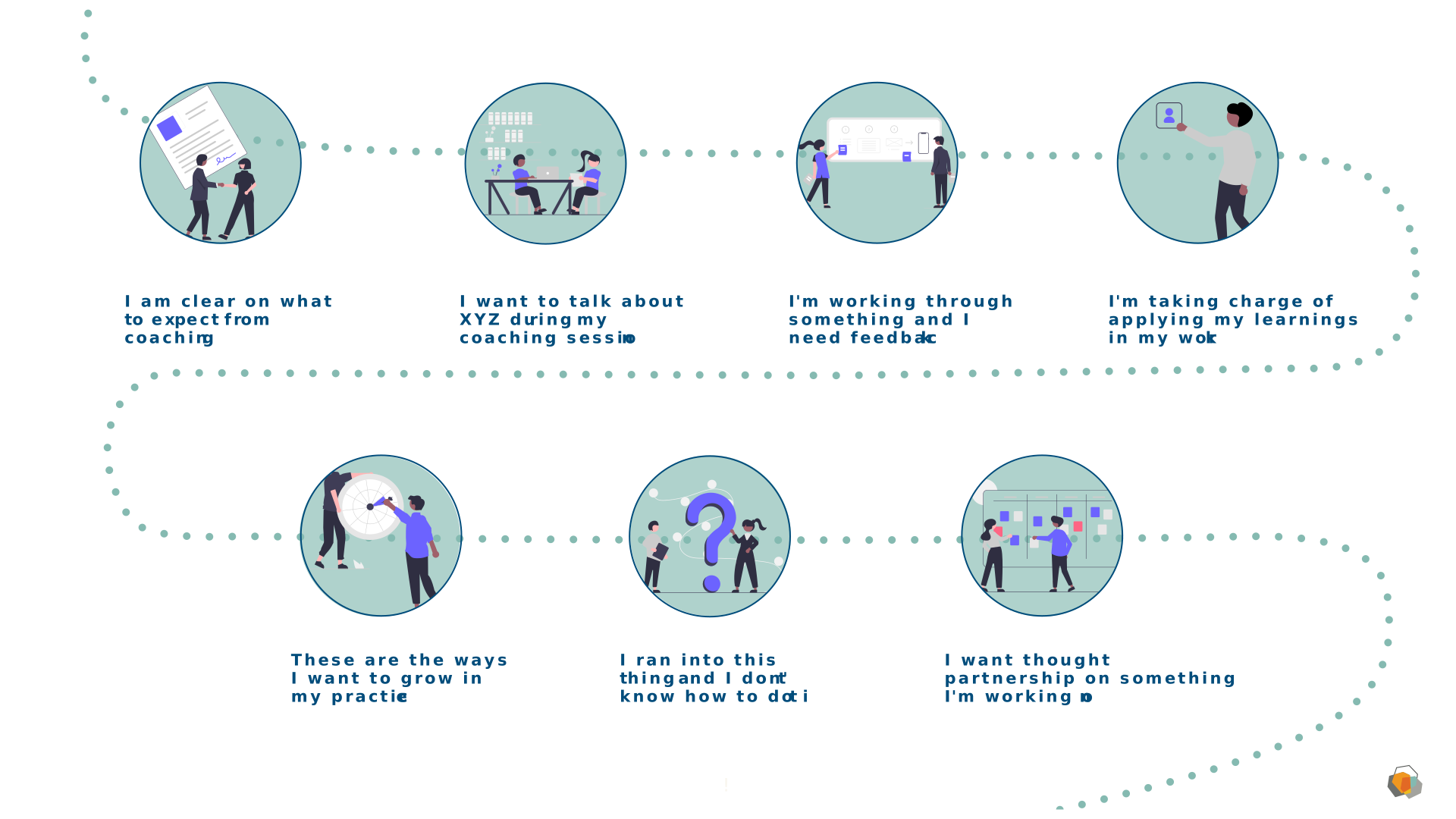
Rather than a one-size-fits-all training, Harmonic embedded coaching into the rhythm of the team’s work. Every coaching moment was grounded in the team’s real work and adapted to each person’s needs, energy, and readiness.
We helped the team define their purpose, not just in words, but in action. We co-created methods to integrate service design with project management and impact frameworks. And we coached them through applying those methods to messy, ambiguous projects where service design could make the greatest difference.
Outcome
Over the course of our first year, the P&P team has grown more confident, strategic, and collaborative. They now anchor their work in outcomes, speak a shared language of service design, and operate as intentional partners across the organization.
Using a blended methodology tailored to the library, we clarified and communicated the P&P team’s purpose while revitalizing the community of practice to encourage active participation. Through individual and small-group coaching sessions, practitioners increased their confidence in using service design methods on real projects and in implementing new frameworks for measuring and communicating impact.
Impact
The coaching approach drove lasting change by building real capability rather than just delivering training. It strengthened trust, surfaced shared patterns across the team, and cultivated a deeper sense of ownership and pride. As a result, Richland Library is now designing and delivering services with greater intention, alignment, and strategic clarity.
The partnership continues to evolve. Together, we’ve co-authored articles, submitted conference proposals, and expanded the impact of the work beyond the original engagement. What emerged is more than a stronger team; it’s a replicable model for embedding sustainable, human-centered service design practices within public institutions.
“I have a better sense of how to use a service design approach, where I am in an approach with projects…and it’s absolutely fine to not be in the beginning.”
Sonya Montgomery
P&P Team Member, Richland Library
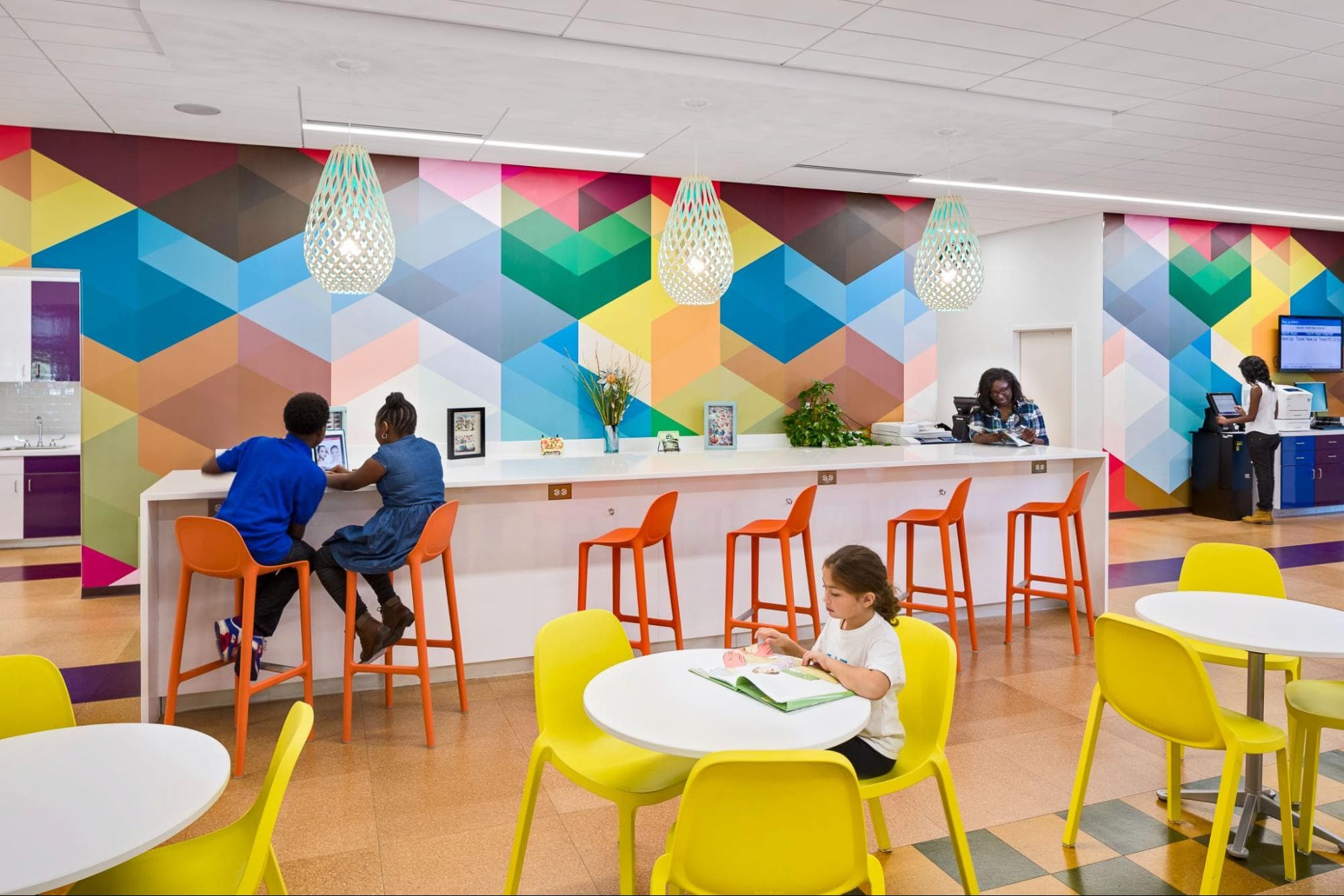
Photo courtesy of Richland Library.